FIFA World Cup 2026 Match Schedule Goes Live December 6 from Washington DC with Full Venue List
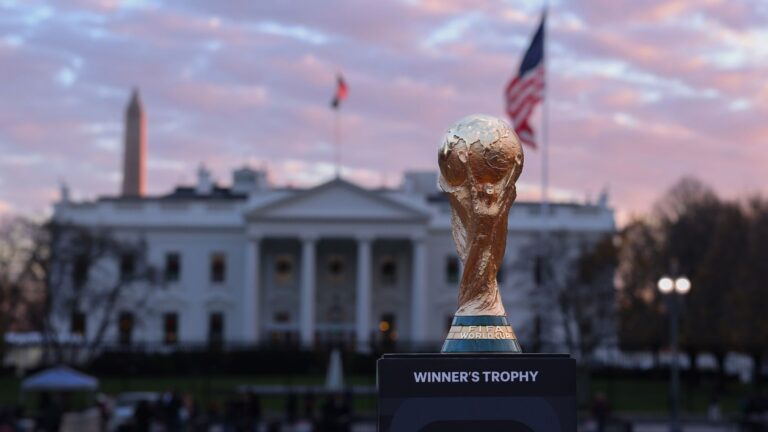
The wait is almost over. FIFA drops the complete match schedule for the FIFA World Cup 2026 on Saturday, December 6, 2025, at 12:00 EST in a live global broadcast from Washington, DC. This isn’t just another announcement—it’s the moment fans discover exactly when and where their teams battle across North America’s 16 host cities.
The FIFA World Cup 2026 represents football’s biggest evolution yet, expanding to 48 teams across three nations. With the qualified teams already confirmed and anticipation hitting fever pitch, this schedule reveal connects the dots between the Final Draw and matchday reality. Fans worldwide can watch live via FIFA.com, YouTube, and international broadcast feeds.

What Happens During the Washington DC Event
FIFA President Gianni Infantino takes center stage alongside FIFA Legends to break down all 104 match assignments. Here’s what makes this event unmissable:
- Complete venue assignments for every single game
- Precise kick-off times optimized across time zones
- Expert analysis of group matchups and travel logistics
- Live reactions from representatives of all 42 qualified teams
- Strategic insights into host city selections
The timing matters. Scheduling the reveal 24 hours after the Final Draw allows FIFA’s team to analyze group compositions and create optimal travel patterns for competing nations.
How to Watch the Schedule Unveiling Live
| Platform | Access Method | Start Time |
| FIFA.com | Direct stream | 12:00 EST / 18:00 CET |
| FIFA YouTube | Free broadcast | 12:00 EST / 18:00 CET |
| Global TV | Local broadcasters | Check regional listings |
No subscription required. No geographic restrictions. FIFA’s making this accessible to every fan on the planet.
Behind the Match Allocation Strategy
Creating the schedule for a 48-team tournament across three countries isn’t simple logistics—it’s chess at continental scale. FIFA’s allocation process weighs multiple critical factors:
Primary Considerations:
- Team travel distances between matches
- Climate conditions across different regions
- Stadium capacity and infrastructure readiness
- Television broadcast windows for global audiences
- Recovery time between group stage games
The schedule aims to balance competitive fairness with fan experience. Teams won’t zigzag across 2,000+ miles between group matches. Cities hosting multiple games get strategic spacing to maximize local engagement.
The 16 Host Cities Awaiting Their Matches
North America’s diverse geography creates unique opportunities and challenges. From Vancouver’s coastal cool to Mexico City’s high altitude, each venue brings distinct character to the tournament.
United States Cities:
- Atlanta
- Boston
- Dallas
- Houston
- Kansas City
- Los Angeles
- Miami
- New York/New Jersey
- Philadelphia
- San Francisco Bay Area
- Seattle
Canadian Cities:
- Toronto
- Vancouver
Mexican Cities:
- Guadalajara
- Mexico City
- Monterrey
Some cities will host multiple group stage matches. Others might land knockout rounds. The December 6 reveal settles months of speculation about which venues get marquee matchups.
What Changes After March 2026
The schedule unveiled in December isn’t completely final. Six qualifying spots remain open until March 2026, pending FIFA and European playoff results. Once those latest updates conclude, FIFA releases the definitive version with final team placements.
This phased approach protects competitive integrity while giving fans maximum advance planning time for confirmed matches.
Ticket Sales Already Breaking Records
Nearly two million tickets sold before the schedule’s even official. That number explodes once fans know exact dates and locations for their teams’ matches.
| Tournament Phase | Total Matches | Expected Attendance |
| Group Stage | 80 matches | 3.2+ million |
| Round of 32 | 16 matches | 800,000+ |
| Knockout Rounds | 8 matches | 400,000+ |
Demand’s already crushing supply. The schedule reveal triggers the next major ticket release wave, giving fans their first real shot at securing seats for specific games.
Expert Analysis Component Explained
FIFA Legends joining Infantino on stage aren’t just celebrity faces. They’re providing tactical breakdowns of how the schedule impacts team preparation and tournament dynamics.
Expect deep dives into:
- Which groups face the toughest travel schedules
- How kick-off times advantage or challenge certain playing styles
- Historical precedents from previous tournament scheduling decisions
- Climate factors affecting match conditions across regions
This analysis transforms a schedule announcement into strategic tournament preview content.
Time Zone Optimization for Global Viewers
FIFA’s promised “best possible conditions” for worldwide viewing. That means carefully staggered kick-off times enabling fans across continents to watch live without 3 AM wake-up calls.
Strategic Kick-Off Windows:
- Early afternoon East Coast matches reach European prime time
- West Coast evening games hit Asian morning slots
- Central time zone games balance both hemispheres
- Weekend matches maximize global simultaneous viewership
The 104-match schedule becomes a complex puzzle of competitive fairness meeting broadcast economics.
Why Washington DC as the Reveal Location
The capital city choice carries symbolic weight. Washington DC isn’t a host city, making it neutral ground for the 16 competing venues. The location emphasizes the tournament’s diplomatic significance—three nations collaborating on football’s biggest stage.
Plus, DC’s infrastructure handles major international events seamlessly, with media facilities and diplomatic representation already in place.
Frequently Asked Questions
When exactly does FIFA reveal the 2026 World Cup schedule? Saturday, December 6, 2025, at 12:00 EST (18:00 CET) via live global broadcast from Washington, DC.
Where can I watch the schedule announcement live? Stream free on FIFA.com, FIFA’s YouTube channel, or through local broadcast partners worldwide—no subscription needed.
Will the December schedule include all team placements? Not completely. Six spots remain open until March 2026 playoffs conclude. FIFA updates the final schedule after those qualifiers finish.
How many matches does the FIFA World Cup 2026 include? 104 total matches across the expanded 48-team format—80 group stage games plus 24 knockout round matches.
Can I buy tickets once the schedule is released? Major ticket releases typically follow schedule confirmations, giving fans opportunities to purchase seats for specific matches and venues.
Why announce the schedule separately from the Final Draw? The 24-hour gap allows FIFA’s team to analyze draw results and optimize match allocations based on actual group compositions and competitive balance.
What This Means for Tournament Preparation
The schedule reveal shifts preparation into high gear. National federations finalize base camp locations. Broadcasters lock in commentary teams and coverage plans. Sponsors activate venue-specific campaigns.
For fans, it’s decision time. Book flights. Request vacation days. Coordinate watch parties. The abstract concept of “World Cup 2026” suddenly becomes concrete dates, times, and travel itineraries.
This December 6 announcement transforms eighteen months of anticipation into actionable plans. Mark your calendars. Set your alarms. The world’s about to learn exactly how football’s biggest party unfolds across North America next summer.