FIFA World Cup 2026 Mascots: Meet Clutch, Maple, and Zayu from Three Host Nations
The road to football’s biggest celebration just got more colorful. FIFA has officially unveiled the mascots for the 2026 World Cup: Clutch the eagle, Maple the moose, and Zayu the jaguar. Each character represents one of the three host countries—the United States, Canada, and Mexico—bringing together national pride, cultural heritage, and the universal love for football.
This historic tournament will be the first World Cup co-hosted by three nations, and fans can explore everything from match venues to team lineups on FIFA World Cup 2026, your complete resource for tournament information, schedules, and updates.
The Three Mascots: Who They Are and What They Stand For
FIFA’s choice to feature three mascots instead of the traditional single character reflects the collaborative spirit of this groundbreaking tournament. Each mascot carries symbolic weight, cultural meaning, and a distinct personality that resonates with fans across different generations.
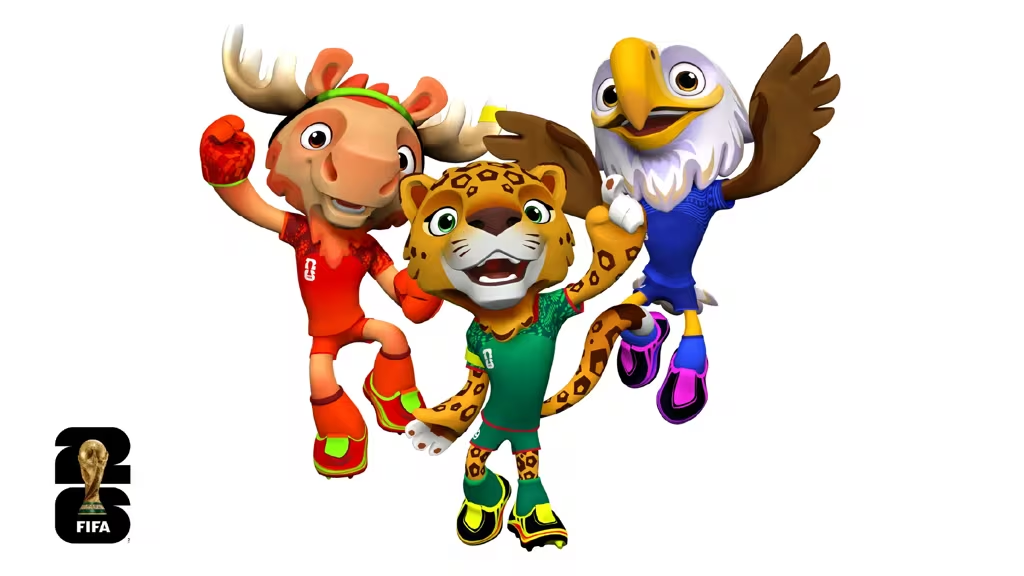
Clutch the Eagle (United States)
The bald eagle has represented American values for centuries, and Clutch brings that legacy to the football pitch. This mascot embodies curiosity, optimism, and the American tradition of welcoming cultures from around the world.
Clutch’s Characteristics:
- Position on field: Midfielder
- Personality traits: Energetic, determined, visionary
- Cultural significance: Represents freedom, strength, and unity
- Fan appeal: Connects with youth through relatable energy
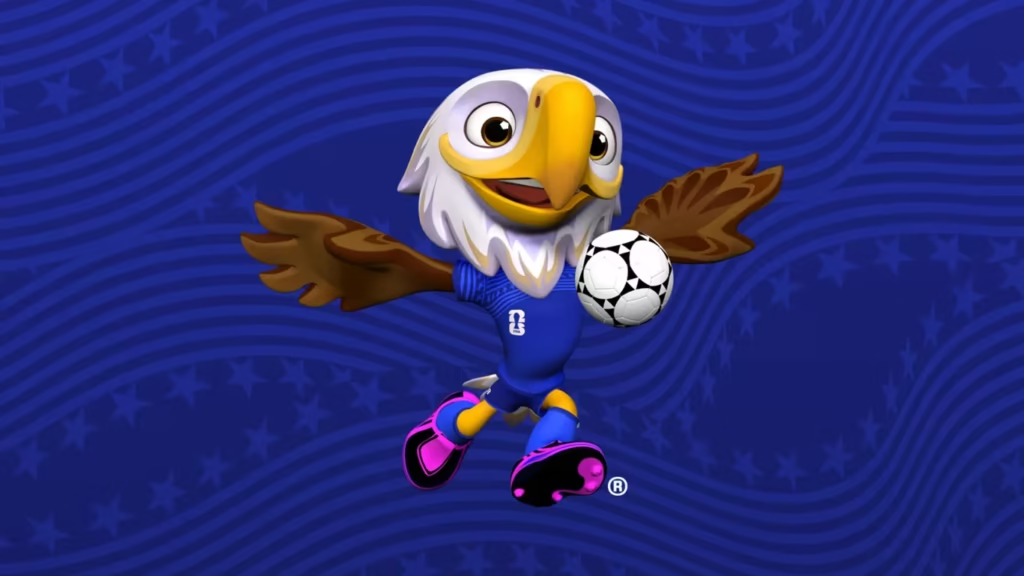
Clutch operates as the team’s connector, much like a midfielder who links defense and attack. The character’s design emphasizes movement, ambition, and the drive to bring people together—qualities that mirror America’s melting pot identity.
Maple the Moose (Canada)
Canada’s mascot draws inspiration from one of the nation’s most recognizable animals while incorporating the country’s reputation for warmth and inclusivity. Maple travels across provinces and territories, symbolizing the vast geography and diverse communities that define Canada.
Maple’s Characteristics:
- Position on field: Goalkeeper
- Personality traits: Protective, welcoming, adventurous
- Cultural significance: Represents strength, community, and diversity
- Fan appeal: Embodies the friendly Canadian spirit
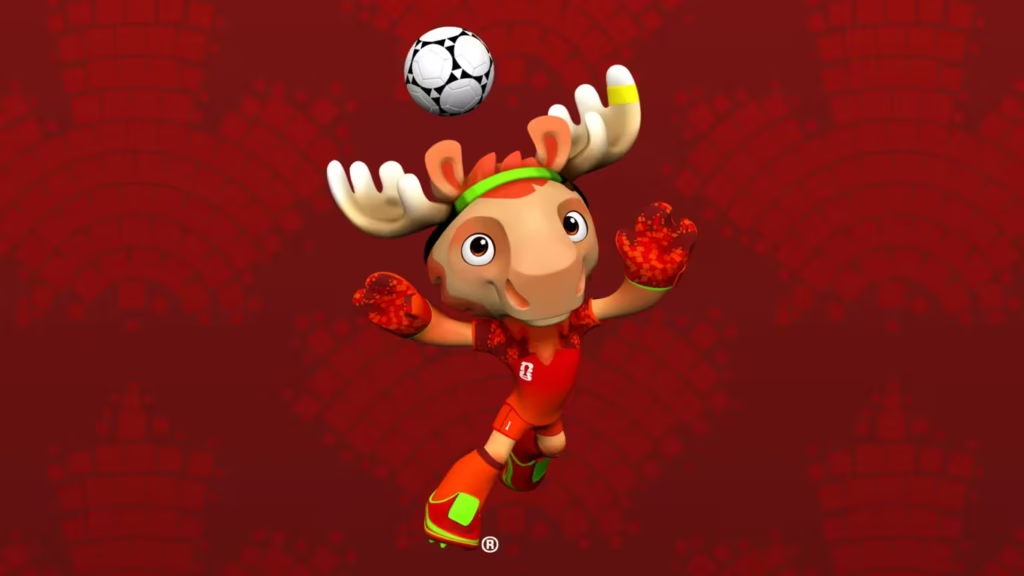
As a goalkeeper, Maple stands as the last line of defense, reflecting Canada’s role as a guardian of inclusivity and multiculturalism. The name itself references the iconic maple leaf, Canada’s national symbol that appears on the flag and represents natural beauty.
Zayu the Jaguar (Mexico)
Emerging from Mexico’s southern forests, Zayu captures the nation’s vibrant traditions, creative spirit, and passionate football culture. The jaguar holds deep significance in Mesoamerican history, appearing in ancient Mayan and Aztec art as a symbol of power and mysticism.
Zayu’s Characteristics:
- Position on field: Forward
- Personality traits: Agile, creative, passionate
- Cultural significance: Honors ancient heritage and modern traditions
- Fan appeal: Showcases Mexico’s artistic and culinary richness
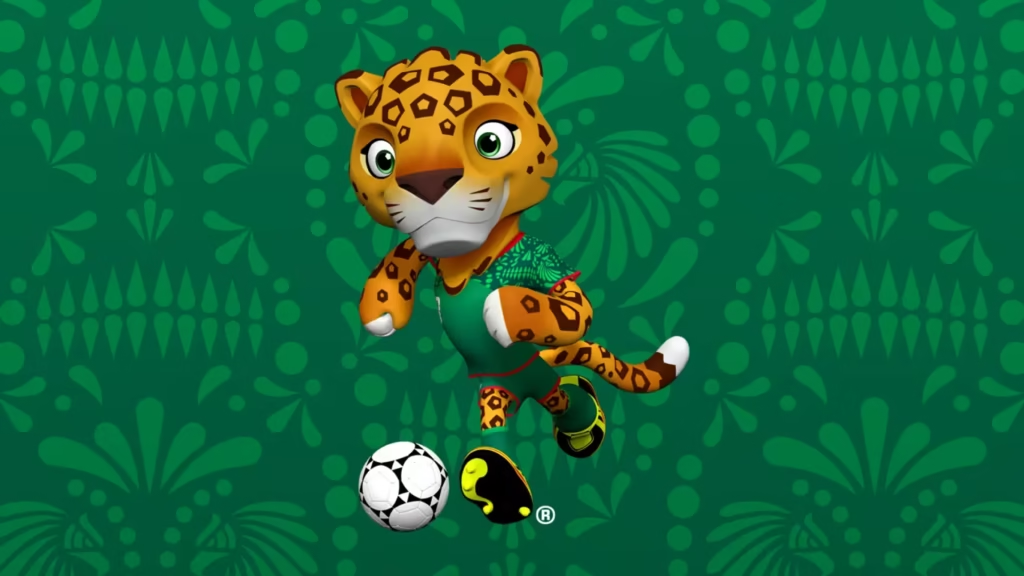
Zayu’s role as a forward reflects Mexico’s attacking football philosophy and flair for spectacular play. The mascot celebrates everything from traditional dance to contemporary Mexican culture, making it relatable to fans who appreciate the country’s cultural depth.
Mascots as Players: A Unique Tactical Approach
FIFA’s decision to assign each mascot a specific position creates an innovative storytelling angle that engages football fans on a tactical level. This approach transforms mascots from simple marketing tools into characters with defined roles and responsibilities.
| Mascot | Nation | Position | Key Traits |
|---|---|---|---|
| Clutch | United States | Midfielder | Vision, connection, leadership |
| Maple | Canada | Goalkeeper | Strength, protection, unity |
| Zayu | Mexico | Forward | Creativity, agility, passion |
This tactical framework allows fans to imagine how these three characters would interact on the field, creating natural storylines for marketing campaigns, children’s content, and social media engagement. Young fans can identify with their favorite position while learning about the cultural values each mascot represents.
Cultural Symbolism Behind Each Character
The mascots aren’t random choices—they’re carefully selected national symbols that carry historical and cultural weight.
The Eagle in American Identity
Bald eagles have symbolized the United States since 1782, appearing on the national seal and representing independence, strength, and freedom. Clutch taps into this centuries-old symbolism while adding a modern, approachable personality that appeals to contemporary audiences.
The Moose in Canadian Heritage
Moose are synonymous with Canadian wilderness, appearing in everything from tourism campaigns to Indigenous art. Maple’s characterization as an adventurous traveler reflects Canada’s vast geography, from Atlantic provinces to Pacific territories, and the diverse communities that call these regions home.
The Jaguar in Mesoamerican History
Jaguars held sacred status in ancient Mexican civilizations. Mayan warriors wore jaguar pelts, Aztec nobility associated the animal with power, and contemporary Mexican culture maintains reverence for this apex predator. Zayu connects modern football fans with Mexico’s rich pre-Columbian heritage.
Unity Through Three Nations
The trio format represents more than clever marketing—it embodies the unprecedented collaboration required to host a World Cup across three countries. For comprehensive details on how matches will be distributed across venues, check the complete tournament schedule showing games in 16 cities across North America.
Tournament Collaboration Elements:
- 16 host cities across three nations
- Seamless coordination of logistics and security
- Shared cultural programming and fan experiences
- Unified messaging about football’s power to unite
The mascots serve as ambassadors for this cooperative spirit, demonstrating that competition and collaboration can coexist. Their combined presence at promotional events, on merchandise, and across digital platforms reinforces the message that this World Cup belongs to all three nations equally.
How the Mascots Engage Different Audiences
FIFA designed these characters with multiple audience segments in mind, ensuring broad appeal across age groups, geographic regions, and cultural backgrounds.
For Young Fans
The position-based storytelling helps children understand football tactics while connecting emotionally with characters who have distinct personalities. Educational content can teach kids about different cultures through Clutch, Maple, and Zayu’s adventures.
For Cultural Enthusiasts
Each mascot provides entry points for exploring host nation heritage, from American innovation to Canadian multiculturalism to Mexican artistic traditions. Museums, cultural institutions, and tourism boards can leverage these characters to promote deeper engagement.
For Football Purists
The tactical positioning satisfies fans who appreciate technical aspects of the game. Marketing campaigns can create scenarios where the trio’s different playing styles complement each other, mirroring how successful teams blend diverse talents.
Tournament Context and Historic Firsts
The 2026 World Cup breaks multiple records and establishes several unprecedented elements that the mascots will help promote:
Historic Tournament Facts:
- First 48-team World Cup (expanded from 32)
- First three-nation hosting arrangement
- 104 total matches (increased from 64)
- Opening match: June 11, 2026, at Estadio Azteca, Mexico City
- Final: July 19, 2026, at MetLife Stadium, New Jersey
- First halftime show during the World Cup final
To see which nations have already secured spots at this expanded tournament, visit the qualified teams page tracking all confirmed participants and remaining qualification paths.
Mascot Merchandise and Digital Presence
The three mascots will appear across extensive merchandise lines, from jerseys and plush toys to video games and augmented reality experiences. FIFA’s digital strategy emphasizes:
- Social media personalities for each character
- Interactive games featuring Clutch, Maple, and Zayu
- Animated content explaining tournament details
- Virtual meet-and-greet opportunities
- Educational materials for schools
For the latest announcements about mascot appearances and special events, follow FIFA World Cup 2026 updates covering all breaking news and tournament developments.
Reception and Fan Response
Early reactions to the mascots have been overwhelmingly positive, with fans appreciating the cultural authenticity and thoughtful symbolism behind each character. Social media discussions highlight how the trio format naturally encourages fans from all three nations to engage with each other’s cultures.
The mascots’ names have also generated enthusiasm—Clutch conveys determination, Maple connects to Canadian identity, and Zayu sounds exotic while remaining accessible to international audiences.
Frequently Asked Questions
What are the names of the 2026 World Cup mascots? The three official mascots are Clutch (eagle for USA), Maple (moose for Canada), and Zayu (jaguar for Mexico). Each represents one of the tournament’s host nations.
Why does FIFA World Cup 2026 have three mascots? Three mascots reflect the historic collaboration between the United States, Canada, and Mexico as co-hosts. This is the first World Cup shared by three nations, making multiple mascots culturally appropriate.
What positions do the World Cup 2026 mascots play? Clutch plays midfielder, Maple is a goalkeeper, and Zayu operates as a forward. These positions reflect each nation’s character traits and cultural values.
What does Zayu mean? While FIFA hasn’t provided an official translation, Zayu likely draws from Indigenous Mexican languages, connecting the jaguar mascot to Mexico’s ancient cultural heritage and natural environment.
When will the 2026 World Cup mascots appear at events? The mascots will appear at promotional events, qualification matches, and official FIFA functions throughout 2025-2026, building excitement as the tournament approaches.
Can I buy merchandise featuring Clutch, Maple, and Zayu? Yes, official merchandise including plush toys, apparel, and collectibles featuring all three mascots will be available through FIFA’s official channels and licensed retailers.
Conclusion
Clutch, Maple, and Zayu represent far more than marketing characters—they’re cultural ambassadors connecting three nations through the universal language of football. By assigning each mascot a playing position, cultural identity, and distinct personality, FIFA has created characters that resonate emotionally while educating fans about the values and heritage of the United States, Canada, and Mexico.
As the tournament approaches, these three mascots will become familiar faces across promotional campaigns, merchandise, and digital platforms. They’ll welcome fans to stadiums, appear in educational programs, and serve as symbols of the collaboration required to host the world’s biggest sporting event across three countries. Whether you’re drawn to Clutch’s determination, Maple’s inclusivity, or Zayu’s passion, the 2026 World Cup mascots ensure that every fan finds a character that speaks to their love of football and cultural pride.